As the days grow darker and temperatures drop, it’s not just our mood that can suffer. Cold weather and constant indoor heating often strip the skin of moisture, leaving it dry, irritated, blemished, or more reactive than usual. If your complexion feels angrier or more unpredictable during the colder months, you’re definitely not alone.
That’s where Red Light Therapy comes in. Also known as photobiomodulation, Red Light Therapy (RLT) is a non-invasive skin treatment that uses red and near-infrared light to stimulate cellular repair, calm inflammation, and boost energy production within the skin. The Tanning Shop Ireland was an early adopter of red light therapy, recognising it as an advanced solution for achieving a healthier, more radiant glow from the inside out. With salons across Dublin, we make it easy for you to experience this ground-breaking technology first-hand.
In this guide, we’ll explore why winter is so harsh on your skin, how Red Light Therapy directly targets these concerns, and the key benefits you can expect from adding red light to your winter skin repair routine.
Does Red Light Therapy Really Work?
Red light therapy works by stimulating the mitochondria, the energy centres of your cells, to produce more ATP (adenosine triphosphate). With this extra energy, your cells can function more efficiently and be encouraged to stimulate collagen, leading to faster tissue repair, reduced inflammation, increased collagen production, and improved circulation.
Why Does Skin Dry in Winter?
This really can be a rotten time of year for so many of us. It is not at all unusual to experience skin protests against the changing seasons. Just some of the telltale signs include:
- Dryness & flakiness – Low humidity and indoor heating deplete the skin’s moisture, making it feel rough and tight.
- Redness & inflammation – Dehydration and damage to the skin’s barrier can make it red, irritable, and angry, triggering conditions like rosacea.
- Chapped lips – Lip balm sales must go through the roof this time of year! The mouth is a particularly delicate area and prone to cracking and flaking in cold weather.
- Skin condition flare-ups – Poor weather conditions (and enthusiastic indoor heating) can see underlying skin conditions to flare up. Eczema, psoriasis, and dermatitis often worsen over winter.

How Red Light Therapy Helps Bad Skin in Winter
There are many Red Light Therapy benefits for your overall emotional and physical health. However, when it comes specifically to winter skin care, regular and responsible exposure to Red Light Therapy can help in the following ways:
- Collagen boosting – The body’s natural building block protein, which is responsible for the skin’s strength and elasticity.
- Reduce inflammation – The red light can have a calming and anti-inflammatory effect, which is particularly welcome for skin conditions like rosacea, eczema, and winter acne.
- Increase blood circulation – Improved blood flow delivers more oxygen around the body, feeding skin cells with nutrients, encouraging healing and achieving a glow.
- Fights dryness – By reducing inflammation and stimulating cellular function, RLT helps repair the skin barrier.
The Winter Red Light Therapy Experience - What to Expect
Red Light Therapy at The Tanning Shop is quick, comfortable, and oh-so easy.
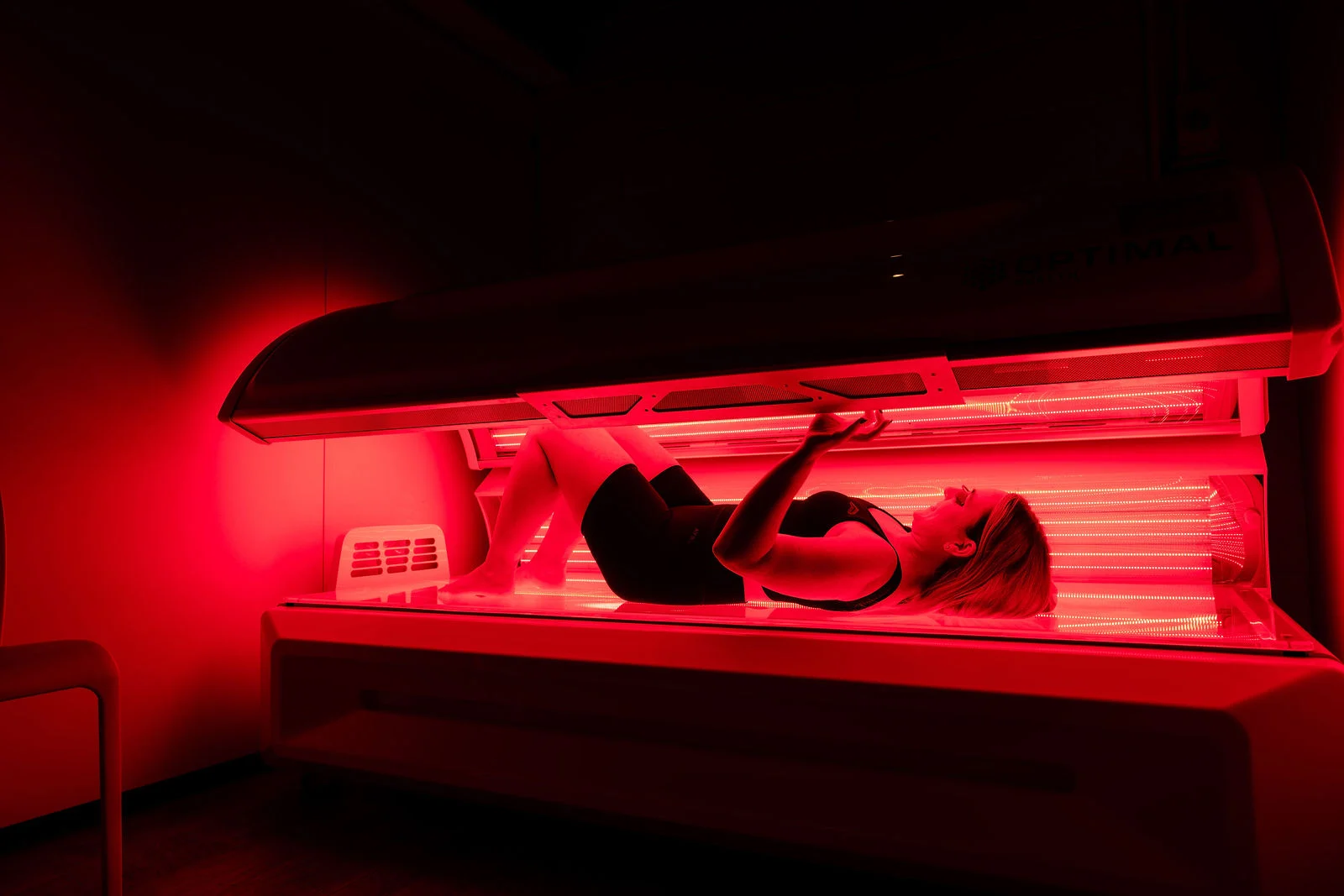
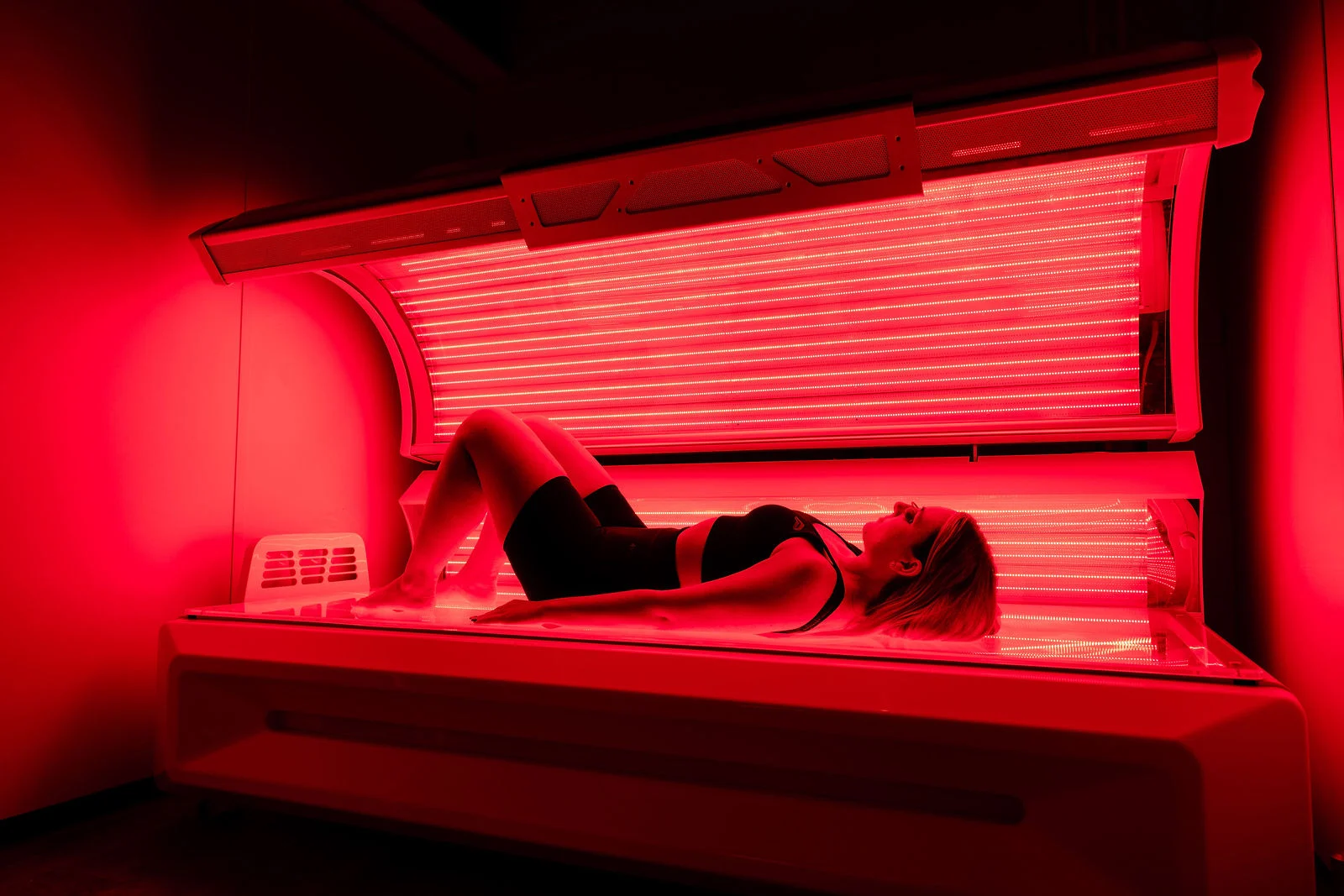
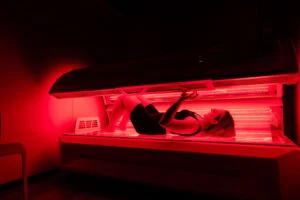
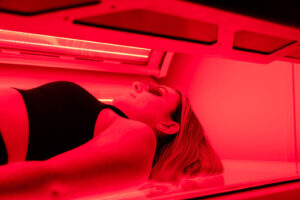
Once you’re in the treatment room, you prepare by exposing the areas of skin you want to treat. Although you can stay fully clothed, we recommend stripping down to your underwear or swimwear. Pop on your protective eyewear, settle into the red light bed, pull the canopy down, relax, and let the LEDs do their work!
The treatment is completely non-invasive, with minimal heat or discomfort. You can expect a gentle glow as the lights work to stimulate your skin at a cellular level. When the session ends, you just step out, get dressed, and go about your day. The entire experience is calm, straightforward, and should leave you feeling refreshed, revitalised, and on your way to better-feeling, healthier-looking skin.
We recommend booking a series of regular treatments for the best winter skin care results – your wellness consultant will help create the ideal treatment plan for your needs and goals. Discover more – read our quick Red Light Therapy guide.
Why Come to Us for Red Light for Skin Treatments
The Tanning Shop Ireland is committed to helping you find accessible, affordable and responsible ways to restore your glow. As one of the first in Ireland to introduce Red Light Therapy to the high street, we offer cutting-edge, non-invasive technology backed by industry experience. Our salons use high-quality, professional-grade equipment designed to deliver consistent, effective results you can feel and see.
With three convenient locations across Dublin and County Wicklow, it’s easy to fit red light therapy into your weekly routine, whether you visit a salon close to home or somewhere near the office for a quick lunchtime session. Our trained team is always on hand to guide you, answer questions, and ensure you get the most out of every treatment.
Unlike at-home devices that often lack strength, coverage, or consistency, a session at The Tanning Shop provides full-body exposure, deeper benefits, and a more relaxing, spa-like experience.
Red Light Therapy Winter Skin Routine - Who Does it Suit and Who Should Avoid it?
The good news is that most skin types typically tolerate red light treatments. However, certain medical conditions may prevent you from taking treatment. If any of the following apply to you, please seek your local GP’s advice before you make a booking:
- Pregnant or breastfeeding
- Epilepsy or suffer from other seizures
- Thyroid problems
- Skin cancer
- Sensitive to light
- Take medications that increase sensitivity to light
- Any conditions affecting the eye’s retina (including diabetes)
- Pre-cancerous skin lesions
- Lupus erythematosus
FAQs
Does Red Light Therapy Help in the Winter?
Yes, Red Light Therapy can be especially helpful during winter, when cold weather and indoor heating often strip skin of moisture and throw off its balance. Here’s how and why it can work:
Targets Common Winter Skin Problems
Winter tends to bring dryness, redness, irritability and a weakened skin barrier. Red light therapy has been shown to stimulate collagen and elastin production, support cellular repair, and improve skin barrier strength and moisture retention.
Helps Combat Winter-Induced Inflammation & Sensitivity
Inflammation and skin sensitivity often flare in winter due to dryness and environmental stress. Red light can reduce inflammation and calm irritation.
Provides Support When Sunlight Is Limited
Shorter days and reduced exposure to natural sunlight means your skin may miss the regular stimulation it gets from summer light. Red light sessions can serve as a gentle, UV-free source of alternative light energy to help maintain skin cell vitality, improve regeneration, and give your skin more resilience during the colder, darker months.
How Often Should I Use Red Light Therapy for Dry Skin Care in Winter?
As with any skin care routine, consistency is key for getting the most out of red light sessions. We typically recommend a minimum of two to three sessions per week to see the best results, but our consultants will advise on your ideal treatment frequency.
Can Red Light Treatment Work with Winter Acne?
Yes, red light can be a complementary treatment to winter acne. Cold weather, low humidity, and indoor heating can strip moisture from the skin, causing irritation and triggering increased oil production. This combination often leads to more breakouts during the winter months.
Red light therapy helps by reducing inflammation, calming irritated skin, and supporting healthier cell function. The red and near-infrared wavelengths soothe redness and swelling, while the improved circulation helps carry oxygen and nutrients to the skin, supporting faster healing of active breakouts. For some people, the gentle anti-inflammatory effects also help prevent new spots from forming.
Combine red light sessions with a consistent skin care routine for clearer, calmer, and more balanced skin throughout the colder months.

Our Latest Tanning and Wellness Insights

What is the Best Spray Tan Solution For You
So you've booked your spray tan appointment, and now you’ve got to choose your solution and depth of colour. A light glow or something deeper? If you're not sure which tanning solution is best for you, you're in the right place.
Stand-Up or Lie-Down Sunbeds: Which is Right for You?
Stand-up and lie-down sunbeds are different tanning equipment formats that provide unique tanning experiences. Stand-up tanning booths are upright cabins you step into, while lie-down sunbeds are bed-shaped units you recline on. The right choice comes down to personal comfort, accessibility, and the kind of salon experience you're after.
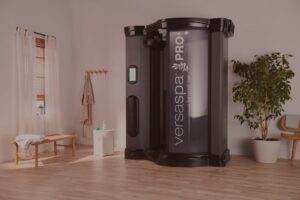
What Is WellFit? Spray-On Skincare Explained
New to spray-on skincare? WellFit is a full-body skin treatment that evenly mists active ingredients across the whole body inside an automated booth at The Tanning Shop. In this guide, we explain what WellFit actually is, how the mist technology works, and how the two treatments, Hydrate and Lift, differ.

Wedding Tan Guide: Find Your Perfect Bridal Glow
Plan the best tan for your wedding day. From UV tanning tips to when to get a spray tan before a wedding, read our expert guide for brides across Ireland.
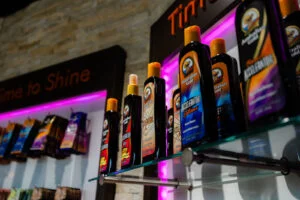
How to Choose the Best Tanning Lotion (Accelerator vs Intensifier vs Bronzer vs Extender)
At The Tanning Shop Ireland, we’re proud to offer a vast array of professional tanning lotions from industry-leading brands, Australian Gold and Vital. But with so many to choose from, how do you decide the best tanning lotion for you? From accelerators and intensifiers to bronzers and extenders, we’re here to give you the low-down on how each product works and which sunbed cream is best for your skin type, experience level, and goals.
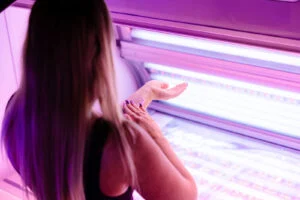
Responsible UV Tanning Checklist: Before, During & After Your Session
UV tanning is a choice many people make to achieve a natural-looking glow without spending long periods in the sun. In Ireland, however, UV exposure is strictly regulated due to the risks associated with sunbed use. That’s why, at The Tanning Shop Ireland, we place such a strong emphasis on responsible tanning.
Red Light Therapy – Your Winter Skin Care Saviour
As the days grow darker and temperatures drop, it’s not just our mood that can suffer. Cold weather and constant indoor heating often strip the skin of moisture, leaving it dry, irritated, blemished, or more reactive than usual. If your complexion feels angrier or more unpredictable during the colder months, you’re definitely not alone.
What is Red Light Therapy and How Does It Work?
A Complete, Full-Body Guide to Red Light Therapy in Ireland

A Quick Guide to Red Light Therapy
Have you booked your red light therapy session but are not quite sure how to use a red light bed? Don’t worry we have you covered! Follow the simple steps below and you’ll see that it is very simple to use and if you have any further questions at your appointment, our friendly staff at our Tanning Shop locations […]
A New Era of Tanning in Greystones: Discover the Luxura Jewel
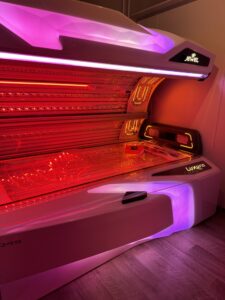
Exciting news! We are excited to announce an exciting addition to the Tanning Shop in Greystones, we would like to introduce a new era of tanning in the heart of Ireland- the Luxura Jewel has arrived at the Tanning Shop Greystones and is raising the bar for luxury tanning! This state-of-the-art tanning bed features: Tan-boosting UVA Power LEDs […]

Top Winter Skincare Tips
Cold weather can wreak havoc on our skin. But fear not we are here to help. As we know dry skin can deflect UV rays and affect your tanning results. So, look after your skin to keep that summer glow feeling all year round. Moisturise: Winter’s dry and cold air will take its toll on your […]

Top 5 Skincare Tips for Autumn
During the Autumn months when the colder weather sets in, it’s important to protect your skin! Colder weather, artificial central heating and drier air in Autumn can be harsh on your skin and may cause your it to become dull and dry. When your skin becomes dry it can mean that your tanning results are […]